
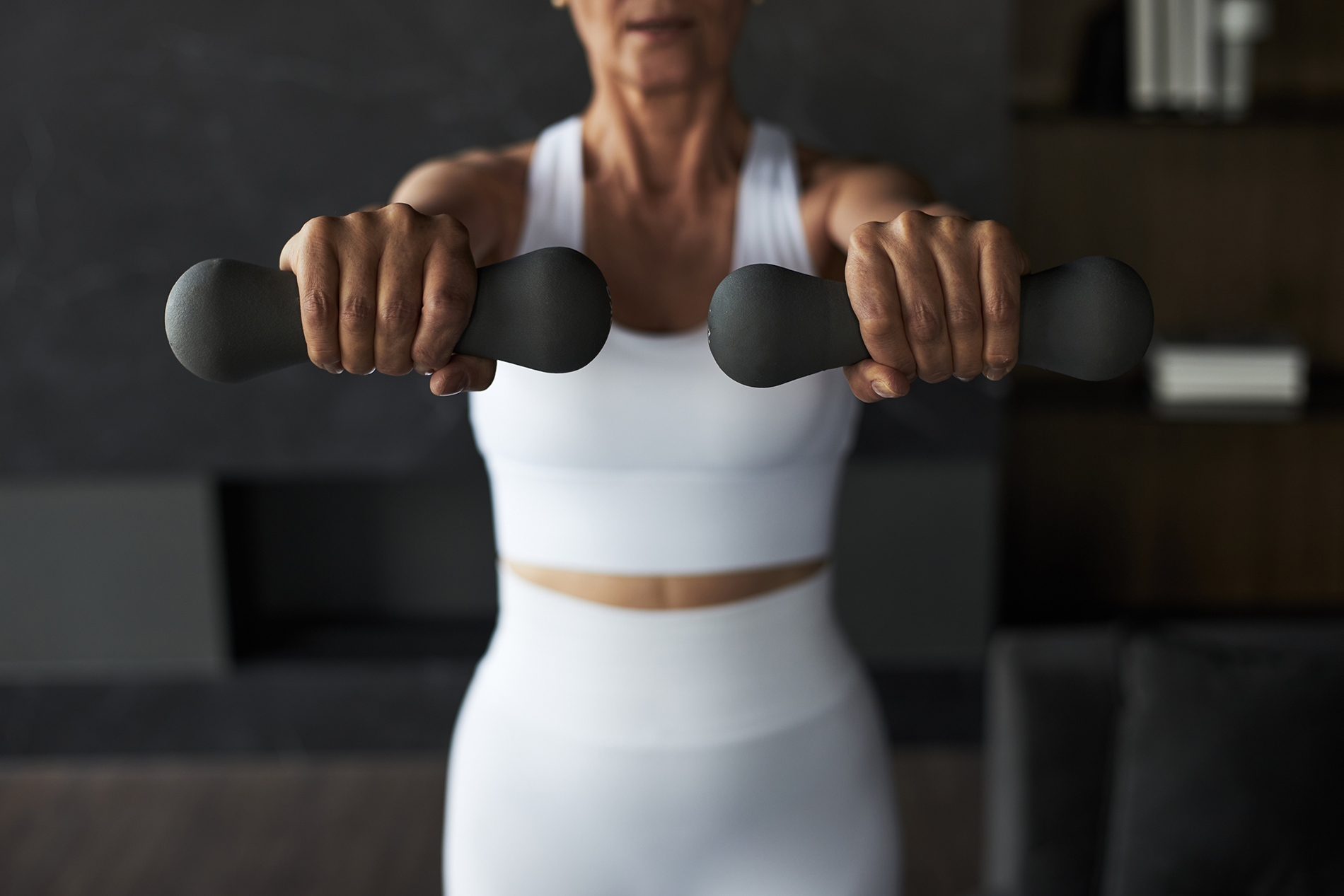
For many women, exercise has long been associated with cardio workouts like walking, running or cycling. While those activities are excellent for heart health, strength training is just as important — and often overlooked. Building muscle doesn't mean becoming bulky. Instead, it helps women stay strong, independent and healthy throughout every stage of life.
Whether you're in your 30s or your 70s, adding resistance exercises to your routine can improve everything from bone health and balance to metabolism and brain function.
"One of the biggest misconceptions is that strength training will make women bulky," said Lisa Minges, director of Employee Services at Lexington Health and instructor at Health Directions. "The reality is that women don't produce the same levels of testosterone as men, so strength training helps build strength, improve health and maintain muscle without dramatically increasing muscle size. Strength training is truly for everyone."
Why women have avoided strength training
For decades, many fitness programs were designed with men in mind. Women were often encouraged to focus primarily on cardio exercise to become "lean," while weightlifting was viewed as something reserved for athletes or bodybuilders.
Today, experts know that resistance training offers unique health benefits that cardio alone cannot provide. In fact, combining aerobic exercise with strength training creates a more balanced fitness routine and supports long-term health.
At Health Directions, women of all fitness levels are discovering that strength training is approachable and adaptable.
"I work with women ranging in age from their 40s into their 80s," Minges said. "We focus on five foundational movement patterns — squats, deadlifts, lunges, pushing and pulling — and every exercise can be modified to fit an individual's abilities. I like to remind people that we're practicing our fitness. We don't have to be perfect. We're always learning."
Why strength training becomes even more important with age
As women age, they naturally lose muscle mass and bone density. Bone density typically peaks during the 20s and early 30s, then declines more rapidly around menopause. This increases the risk of osteopenia, osteoporosis and fractures.
Strength training helps slow these changes while delivering benefits throughout the body, including:
- Increasing bone mineral density
- Building muscle strength and power
- Boosting metabolism
- Improving joint stability and balance
- Supporting a healthy immune system
- Promoting brain health
Maintaining muscle also makes everyday activities easier, from carrying groceries and climbing stairs to getting up from the floor and preventing falls.
Strength training doesn't have to mean lifting heavy weights
Many people picture rows of dumbbells when they think about strength training, but resistance comes in many forms. Effective workouts can include:
- Resistance bands
- Bodyweight exercises
- Suspension trainers
- Stair climbing
- Household items such as water jugs or canned goods
A well-rounded strength program should also include mobility exercises, balance training and stretching to improve flexibility and reduce injury risk.
Getting started
If you're new to strength training, start slowly and focus on learning proper movement patterns. Even two or three sessions each week can make a meaningful difference over time.
The goal isn't to lift the heaviest weight possible. It's to build a stronger body that supports you through every season of life.
Strength isn't just about muscles. It's about protecting your bones, maintaining your independence and investing in your long-term health.




Leave a comment