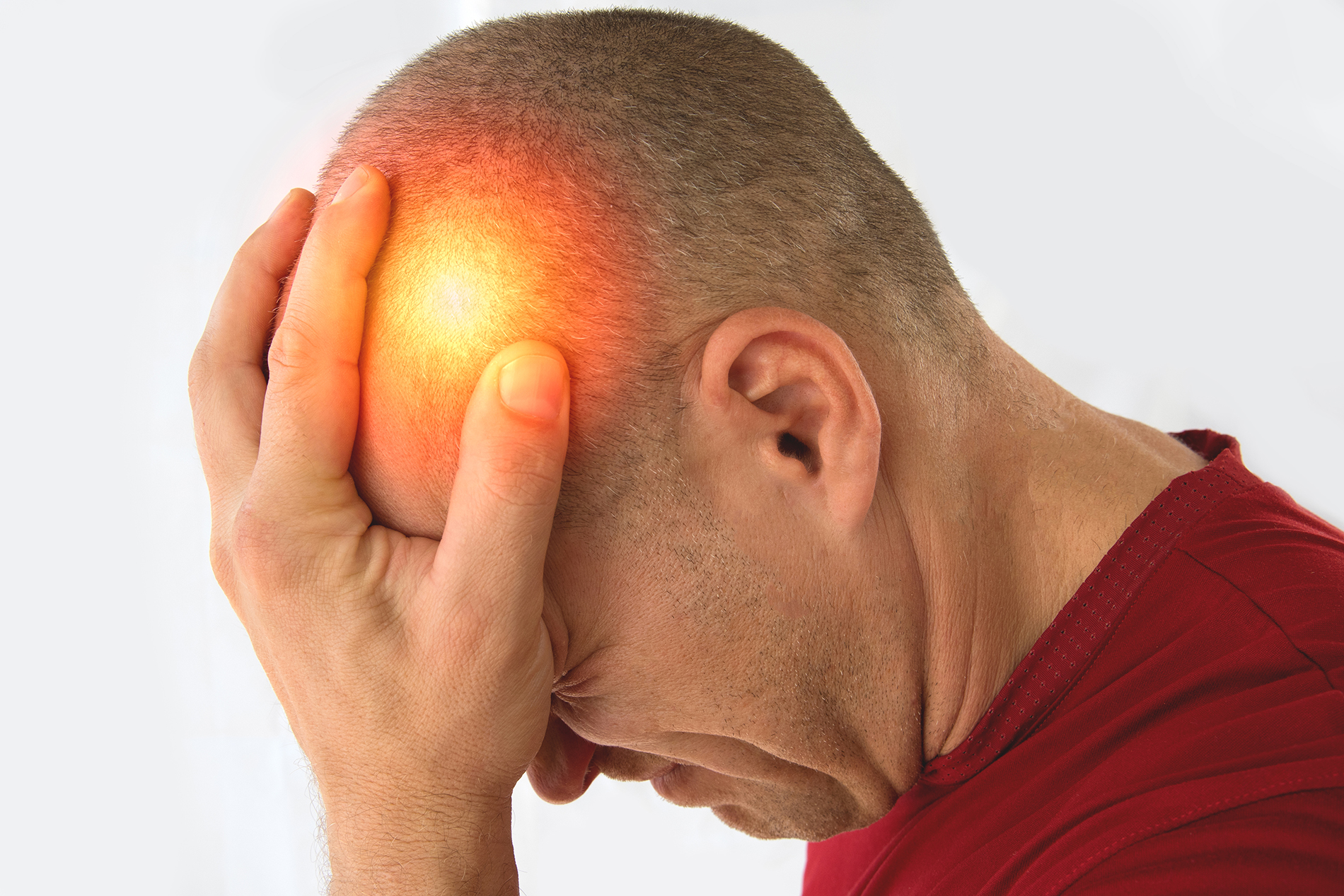
While sore muscles are common after physical activity, knowing the difference between normal soreness and a more serious injury can help you recover faster — and know when it's time to seek medical care.
"When you put stress on your muscles, they need time to recover," said J. David Li, MD, an interventional pain specialist with Lexington Brain and Spine Institute. "The more you exert those muscles, the more you need to condition them to avoid injury."
Stay Active to Protect Your Back
It may seem counterintuitive, but one of the best ways to prevent back pain is to stay active year-round.
"The single best thing people can do to maintain good back and spine health is to be active," Dr. Li said. "It really goes a long way in keeping away the pain in that part of the body."
Regular physical activity helps strengthen the muscles that support your spine, making them better prepared for seasonal activities like yard work, hiking or home improvement projects.
Is It Soreness or an Injury?
Not every ache is cause for concern. Dr. Li says it's important to distinguish between normal muscle soreness and pain that signals something more serious.
"We need to know if it's something chronic or something acute," he said. "Take things like going to the gym or doing lawn work. If you haven't done them in a while, you may experience aches and soreness. You might be a little more tender than usual."
Most muscle soreness improves within a day or two with conservative treatments such as rest, ice or heat and over-the-counter pain relievers.
However, pain that persists, worsens or follows a specific injury could indicate a muscle strain, ligament tear or another more significant problem.
"Back pain can really affect every aspect of your life," Dr. Li said. "Whether it's doing things you love like gardening, playing with grandkids, enjoying your pets or even everyday activities around the house, it makes everything harder."
More serious back injuries can also lead to nerve-related conditions, such as sciatica or a herniated disc, making it difficult to stand upright, lift objects or move comfortably.
Know the Warning Signs
While most back pain improves with time and conservative care, certain symptoms should never be ignored.
Dr. Li recommends seeking prompt medical attention if back pain is accompanied by:
- Sudden weakness in one or both legs
- A "foot drop," or inability to lift the front of the foot
- Loss of bladder or bowel control
- Numbness or tingling in the groin or saddle area
"We're looking for red flag symptoms," Dr. Li said. "Rather than just the pain, we're looking to see if there are neurologic deficits."
These symptoms may indicate pressure on the spinal cord or nerves and often require imaging studies and prompt evaluation.
Simple Steps to Prevent Back Injuries
Fortunately, preventing many back injuries doesn't require complicated exercises or expensive equipment.
"If you are going to be active, use proper safety precautions," Dr. Li said. "If you know you're going to help your child move into a dorm at college, for example, just make sure you don't overdo it. Don't lift anything you know is going to be painful."
Dr. Li also recommends:
- Lift with your legs instead of your back.
- Keep heavy objects close to your body.
- Break large projects into smaller tasks.
- Ask for help when lifting or moving heavy items.
- Build up activity gradually instead of doing too much all at once.
"We live in a very go-go-go world, and everybody wants to get things done right away," Dr. Li said. "But it's certainly not worth potentially injuring yourself. If you have a big project or task that requires physical exertion, having a helping hand — or dividing the task so you're not overexerting yourself — is always a smart thing to do."
By staying active, using proper lifting techniques and listening to your body, you can enjoy everything summer has to offer while keeping your back healthy and pain-free.
While sore muscles are common after physical activity, knowing the difference between normal soreness and a more serious injury can help you recover faster — and know when it's time to seek medical care.