
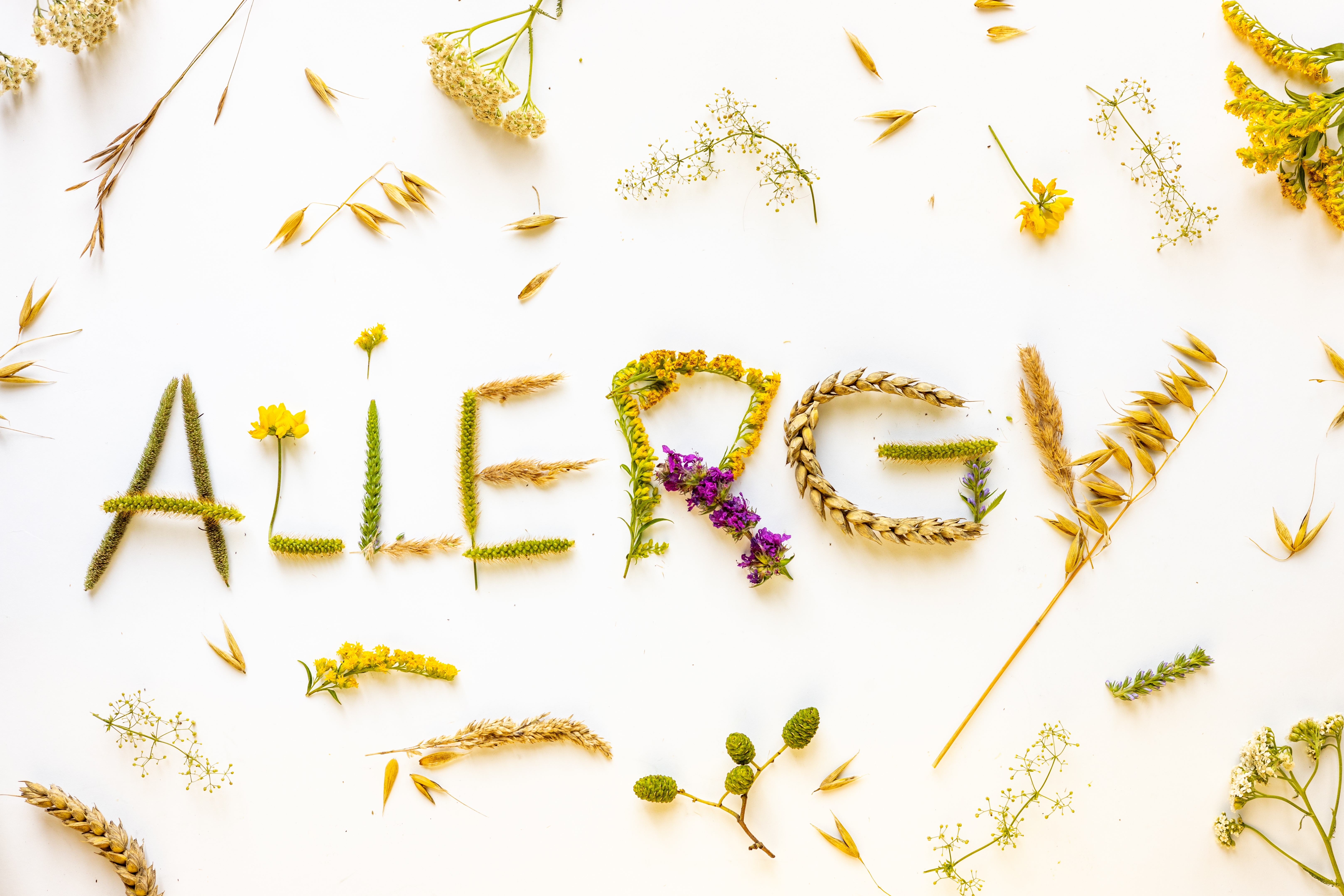
Spring in South Carolina brings warmer days, blooming landscapes—and a surge in pollen that can leave many people sneezing, congested, and exhausted. If you struggle with seasonal allergies, you’re not alone. The Palmetto State consistently ranks among the toughest places to live with allergies, especially during peak pollen months.
The good news? "A few simple habits can go a long way in helping you breathe easier this spring," says Brian Heaberlin, MD, with Lexington ENT & Allergy.
1. Keep an eye on pollen counts
Pollen levels can change daily depending on weather conditions such as wind, temperature, and rainfall. On high-pollen days—especially when counts are elevated for trees or grasses—try to limit your time outdoors, particularly in the early morning when pollen levels tend to peak.
Many weather apps and local news outlets provide daily pollen forecasts, making it easier to plan your activities and reduce exposure.
2. Create a clean indoor environment
While it’s tempting to open the windows and enjoy fresh spring air, doing so can invite pollen inside. Keep windows and doors closed on high-pollen days and use air conditioning when possible.
Other helpful steps include:
- Using high-efficiency (HEPA) air filters
- Changing HVAC filters regularly
- Vacuuming frequently, especially carpets and rugs
These small changes can significantly reduce the amount of pollen circulating in your home.
3. Shower and change clothes after being outdoors
Pollen can cling to your skin, hair, and clothing—continuing to trigger symptoms even after you’ve come inside. Taking a quick shower and changing into clean clothes can help wash away allergens and prevent them from spreading throughout your home.
It’s also a good idea to leave shoes at the door to avoid tracking pollen indoors.
4. Use medications as directed
Dr. Heaberlin says, "Over-the-counter antihistamines, nasal sprays, and eye drops can be very effective in managing symptoms when used consistently and as directed. For some people, starting medication before allergy season ramps up can help prevent symptoms from becoming severe."
If your symptoms persist or interfere with daily life, talk with your primary care provider or an allergy specialist. Prescription treatments or allergy testing may offer additional relief.
5. Protect yourself when outdoors
You don’t have to stay inside all spring—but taking a few precautions can help. Wearing sunglasses can reduce pollen entering your eyes, while a hat can keep pollen out of your hair. If you’re doing yard work, consider wearing a mask and gloves to limit direct exposure.
When to seek care
"If your allergy symptoms include persistent sinus pressure, frequent headaches, trouble sleeping, or signs of an asthma flare—such as wheezing or shortness of breath—it may be time to seek medical care" suggests Dr. Heaberlin. A provider can help tailor a treatment plan to your needs so you can enjoy spring with fewer interruptions.
Seasonal allergies may be common in South Carolina, but they don’t have to take over your life. With a few proactive steps, you can reduce your exposure, manage your symptoms, and make the most of the season.

Brian K. Heaberlin, MD, Lexington ENT & Allergy





Leave a comment