
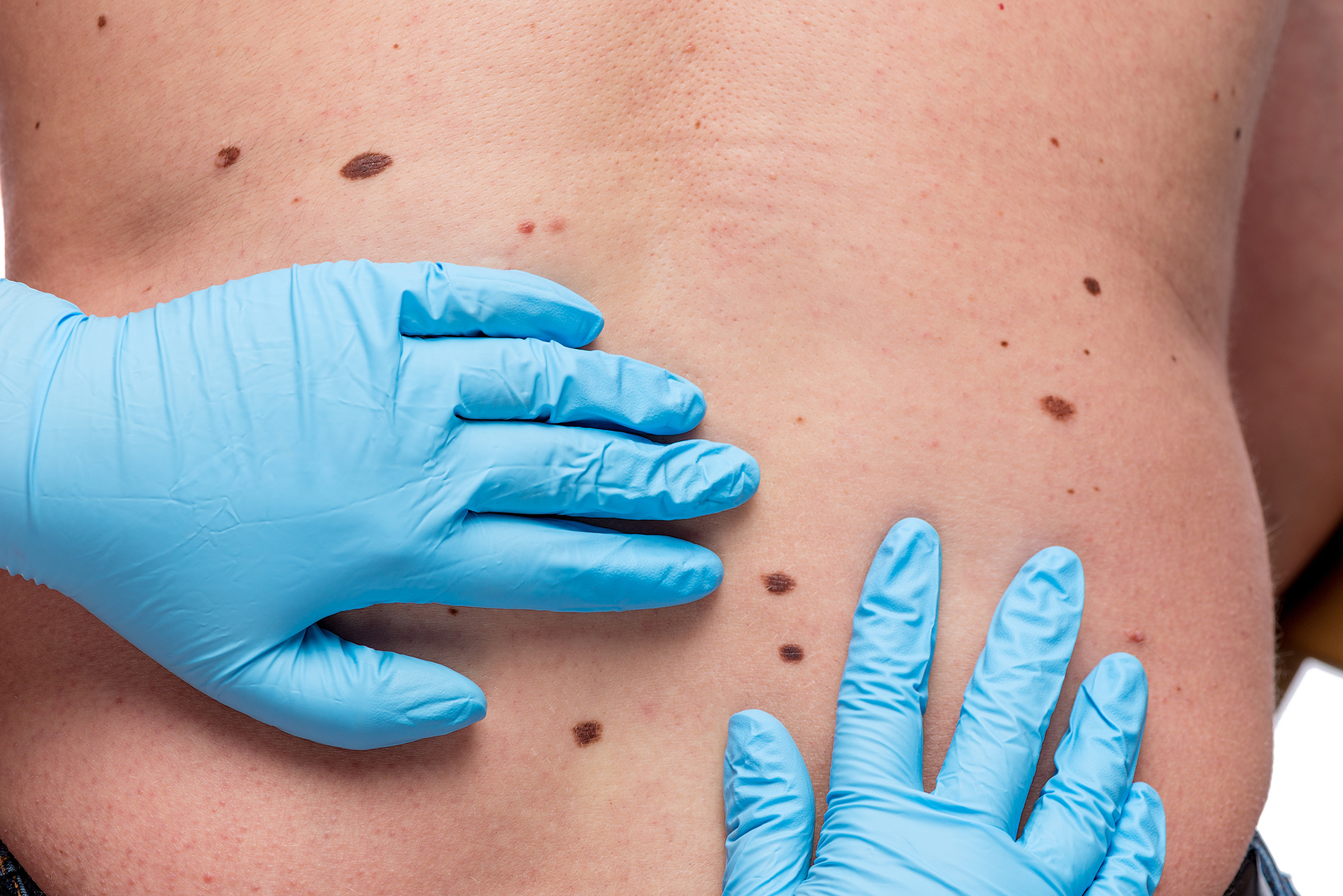
When a cyst becomes bothersome, a wart won't go away or you need stitches for a cut, your first thought may be to see a dermatologist or head to urgent care. But depending on the problem, your family medicine physician may be able to treat it right in the office.
"Family medicine physicians can diagnose and treat a variety of common skin conditions and perform several minor procedures without requiring a visit to a specialist," says Valerie Thimothee, MD, with Lexington Family Practice Irmo.
Common skin procedures in family medicine
Family medicine physicians can perform several minor skin procedures in the office, including:
- Small cyst removal
- Punch or shave biopsies of skin lesions
- Abscess drainage
- Wart removal
- Skin tag removal
- Cryosurgery using liquid nitrogen to destroy certain lesions
- Repair of minor skin lacerations
"Family medicine physicians can perform many minor skin procedures. For procedures that require numbing, we use a small injection of numbing medication under the skin so patients are comfortable," says Dr. Thimothee.
Do warts need to be removed?
Not necessarily.
Warts are self-limiting, meaning they often go away without treatment. Many resolve within six to 12 months, although some can take years to disappear.
"Watchful waiting is reasonable if the patient has no symptoms, but we can definitely treat a wart if it causes discomfort or pain," Dr. Thimothee says.
Plantar warts, which develop on the bottom of the feet, can be particularly painful when pressure is applied while walking. Some anogenital warts can also cause pain.
Appearance and emotional distress are other common reasons people choose to have warts treated.
Warts can spread through skin-to-skin contact and through a process called autoinoculation, in which the virus from one wart is transferred to another part of the body, potentially causing additional warts.
This can be particularly concerning to parents when a child develops multiple warts. Dr. Thimothee says molluscum contagiosum, a type of wart commonly seen in children and adolescents, often resolves within about a year, making treatment unnecessary when there are no symptoms.
However, if warts begin spreading to other parts of the body or become persistent, treatment may be appropriate. Treatment may also be appropriate for people who are immunocompromised and have extensive or difficult-to-treat warts.
How are warts treated?
One common treatment is cryoablation, which uses liquid nitrogen to freeze the wart. Your doctor may also treat warts with salicylic acid and certain prescription medications you can use at home.
"Liquid nitrogen and the skin medications work over time," Dr. Thimothee says. "After repeated applications, the targeted tissue dies, and the wart will 'fall off.'"
If a wart doesn't respond to initial treatments, other options can include curettage, surgical removal or laser treatment.
What happens if a mole is removed?
When a skin lesion is removed or biopsied, the tissue may be sent to a pathology laboratory for examination. Pathology can help determine whether a lesion is benign, precancerous or cancerous.
If you notice a new or changing mole or another unusual skin lesion, have it evaluated rather than assuming it is harmless.
Does my cut need stitches?
Family medicine and urgent care clinics can treat many common superficial skin wounds. If your primary care office can see you promptly, it may be an appropriate place to have a minor cut evaluated and repaired.
If you can't be seen by your primary care physician right away, urgent care can be a good alternative.
More serious wounds may require an emergency department visit, particularly if the wound is extensively contaminated or deeper structures such as tendons or nerves are involved. These injuries may require exploration in an operating room.
"If we're unable to stop the bleeding or to numb the area adequately in the office, we may need to refer someone to the Emergency department to be evaluated," Dr. Thimothee says.
This can be particularly important when treating children with larger wounds.
"It's challenging to keep an afraid and anxious child still to do a procedure," she says. "We also want to avoid further traumatizing the child."
Conscious sedation is available in the Emergency department, where the appropriate equipment and support are available.
Does the location of a skin lesion matter?
Yes. The location, size, and complexity of a lesion can determine whether it is appropriate to treat in a family medicine office.
For example, Dr. Thimothee avoids performing minor skin surgery on the eyelids because of their proximity to the eyes. Other lesions may also require specialized expertise depending on their location and characteristics.
Your family medicine physician can evaluate the problem and determine whether they can safely treat it in the office or whether you should see a dermatologist, surgeon, or another specialist.
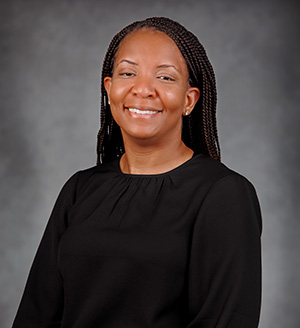
Valerie Thimothee, MD, Lexington Family Practice Irmo




Leave a comment