
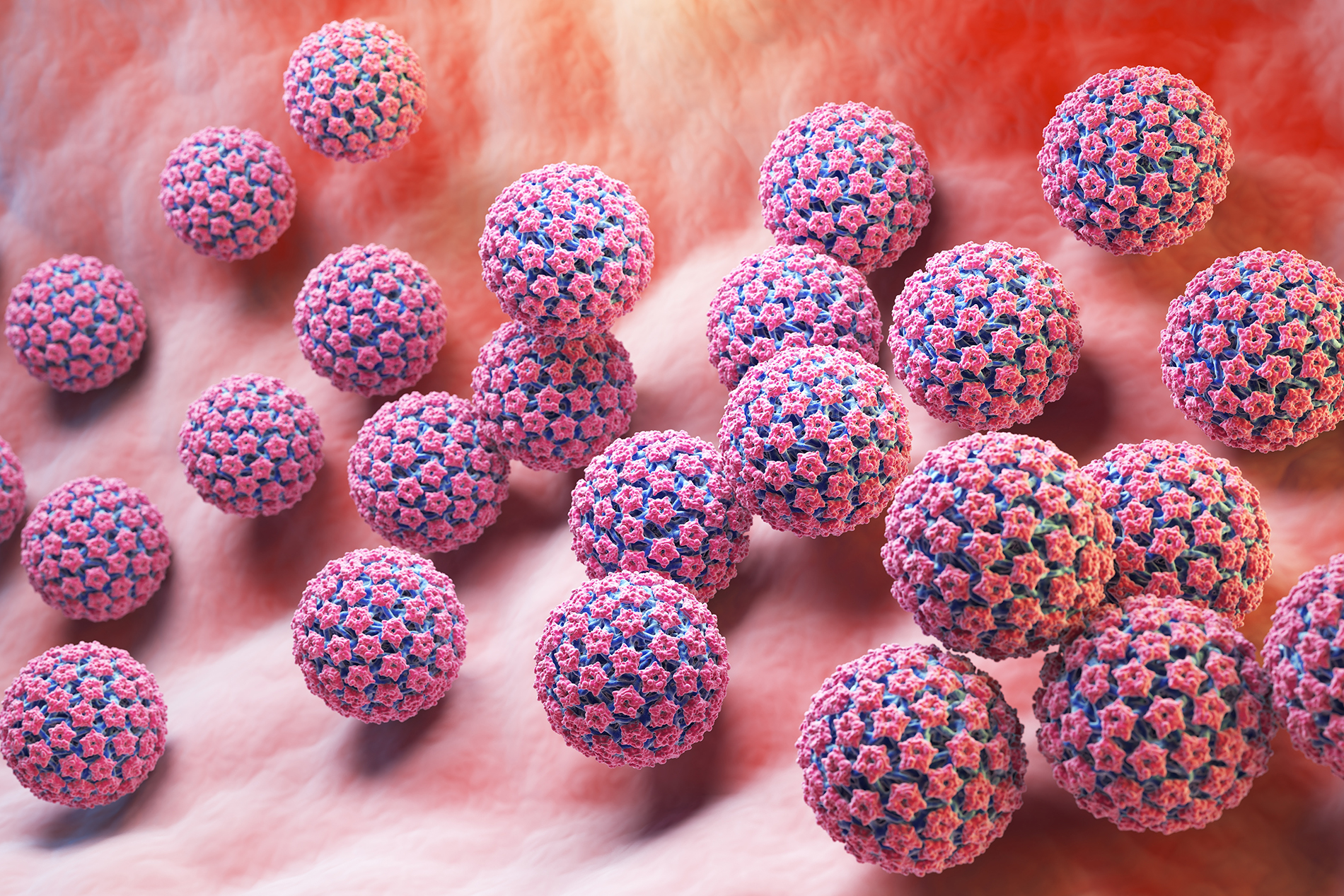
Head and neck cancers are associated with significant sun exposure and tobacco and alcohol use, but more cancers are being diagnosed are caused by the human papillomavirus. Head and neck cancer specialist Jordan W. Rawl, MD, with Lexington ENT & Allergy, answers our questions about these conditions.
What are the symptoms of head and neck cancer NOT to ignore?
Symptoms of head and neck cancer vary by the involved site.
Cancers of the skin are usually red, raised, painful and non-healing. Sometimes they bleed or itch. Pigmented skin lesions that are growing or changing color should be evaluated.
Mouth cancers are very common in patients who chronically use tobacco products. These sometimes start as white or red patches in the mouth, which progress to very painful ulcers that may bleed or make eating very uncomfortable.
Throat cancers can sometimes be more sneaky. Often, a painless lump arises in the neck near the jawline, firm and unresponsive to several weeks of treatment. Some throat cancers cause some discomfort in the throat or a sense of pain and fullness in the ear, which is often not associated with hearing loss. New difficulties swallowing or voice changes, where the voice is hoarse or breathy and does not resolve, are also concerning symptoms.
Sinus and nose cancers can sometimes be caught when an adult patient starts having ear infections or ear fluid effusions, even if they did not have them before. New nasal obstruction, facial numbness, or vision changes need to be carefully evaluated.
A new lump in the lower middle part of the neck may be a new thyroid cancer.
If any of these apply to you or a loved one, please seek medical attention and do not ignore it, especially if it has lasted several weeks with no improvement or is getting worse.
The nicotine in these products can increase heart rate and blood pressure, leading to increased risks for cardiovascular disease, heart attack and stroke.
How can you reduce your risks of head and neck cancer?
- Abstain from using tobacco products.
- Use alcohol in moderation.
- Protect your skin from sunburns and harmful UV rays. Wear hats, sunglasses, sunscreen with SPF 30 or higher and don't forget to reapply.
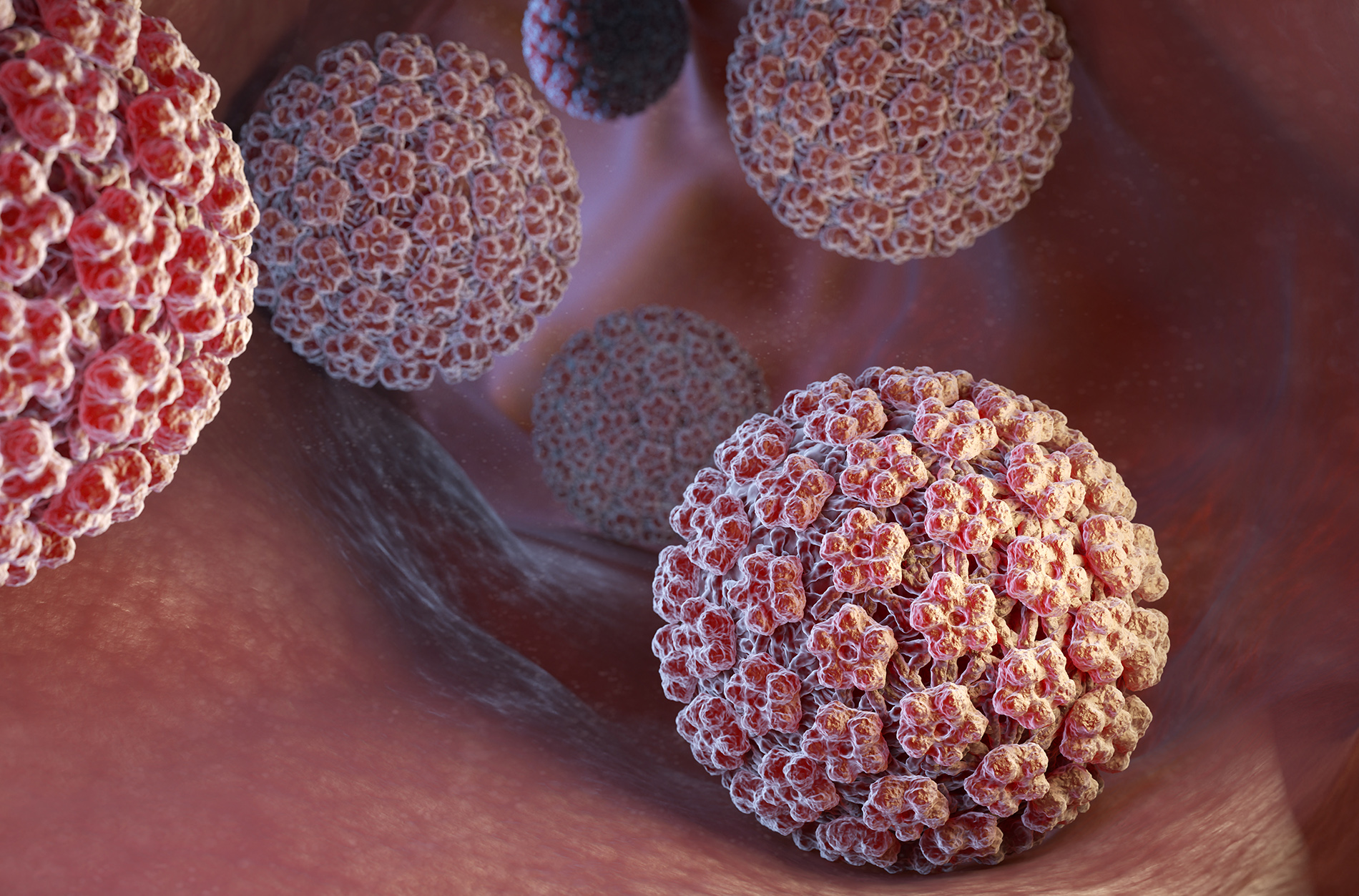
- If you are between the ages of 9 and 45 and you haven't had the HPV vaccine, talk to your doctor about getting those doses. The vaccine covers the most significant types of cancer-causing HPV and can reduce the risks of other HPV associated cancers, too.


Leave a comment