Heart failure sounds frightening, and many people assume it means the heart has stopped working. In reality, heart failure means the heart cannot pump blood effectively enough to meet the body’s needs.
Nicotine products have evolved from traditional cigarettes to vapes and nicotine pouches. Many young adults assume newer options are safer. But when it comes to your heart, none are risk-free.
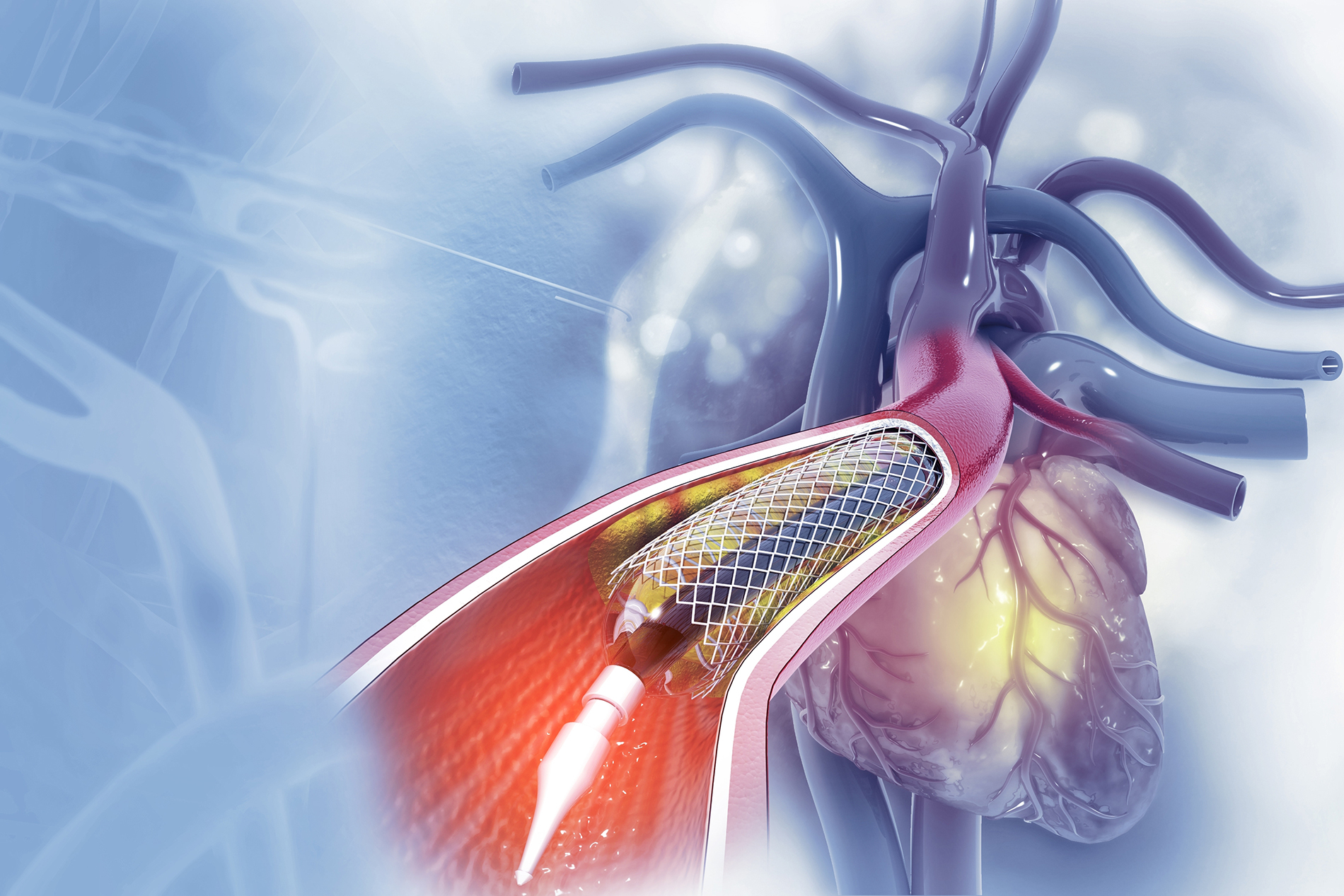
For many patients, the words "heart catheterization" can sound intimidating. However, Dr. Harry Hicklin, IV, says this minimally invasive procedure is a vital tool for diagnosing and treating heart disease.
Abdominal aortic aneurysms (AAAs) are a serious but often silent condition. Ruptured aneurysms are the 15th leading cause of death in the United States and the 10th leading cause for men over age 55.
Imagine going about your day—working, traveling, or even just resting—when suddenly you're short of breath, your chest feels tight, and something doesn't feel right. These could be the subtle signs of a pulmonary embolism.
Knowing the facts about heart disease can help you proactively take steps to maintain your heart health. Here are five common myths about heart disease—and the facts that debunk them.
In addition to general risk factors, such as family history, high blood pressure, high cholesterol, diabetes, smoking, lack of exercise and being overweight, women are faced with additional hormone-related risk factors for stroke.
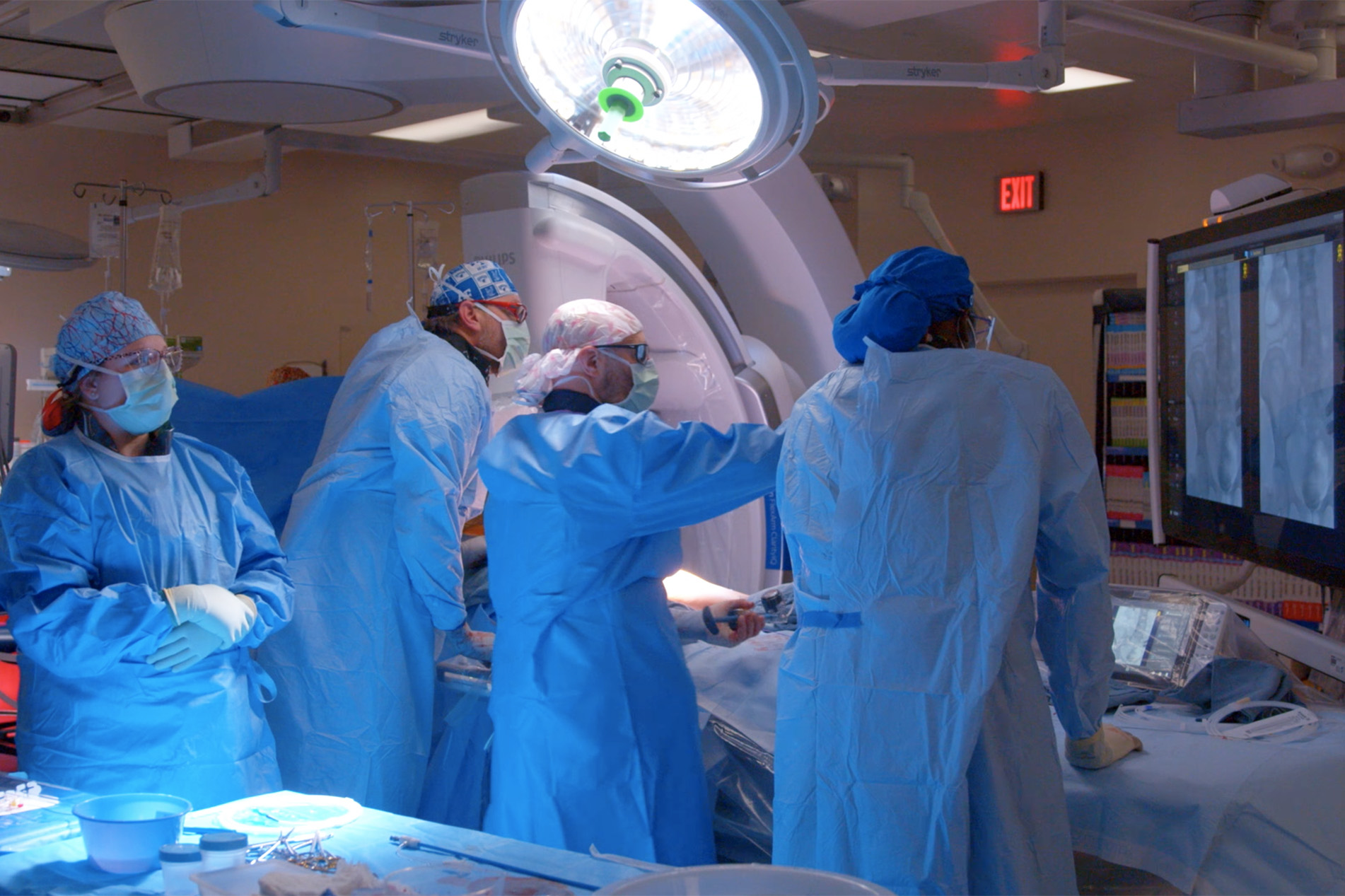
Watch the first episode of HealthCast, our new video series. This episode features the innovative technology Lexington Medical Center offers to treat blood clots that has better outcomes and a faster recovery time than blood thinners.