
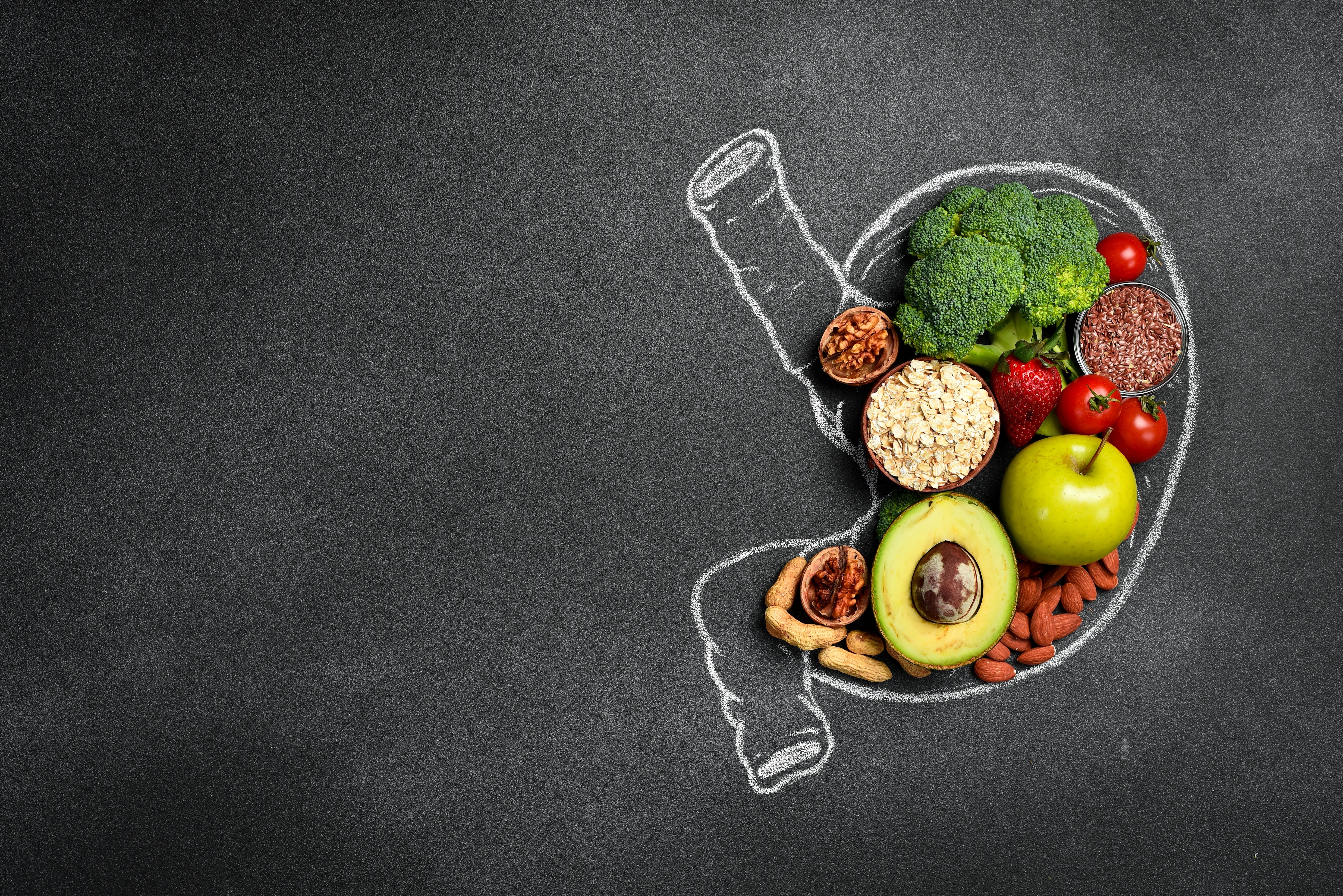
From protein-packed diets to intermittent fasting, social media is constantly introducing new wellness trends. One of the latest to gain popularity is "fibermaxxing" — the practice of intentionally increasing your fiber intake to improve overall health.
While the name may be trendy, the concept itself is nothing new. Healthcare professionals have long recommended eating more fiber, and for good reason.
"Most Americans simply aren't getting enough fiber," says Thomas M. Mazza, MD, colorectal surgeon with Lexington Surgery. "Fiber plays a critical role in digestive health, helping to keep bowel movements regular and supporting a healthy gut microbiome."
What Is Fiber?
Fiber is a type of carbohydrate found in plant foods that the body cannot fully digest. Instead of being broken down and absorbed, fiber passes through the digestive system, providing several important health benefits.
There are two types of fiber:
- Soluble fiber dissolves in water and can help lower cholesterol and regulate blood sugar levels. Good sources include oats, beans, apples, citrus fruits and lentils.
- Insoluble fiber adds bulk to stool and helps food move through the digestive tract more efficiently. It is found in whole grains, vegetables, nuts and seeds.
Most plant foods contain a combination of both types.
Why Is Everyone Talking About Fiber?
Despite its benefits, many Americans fall short of the recommended daily intake. Women should aim for about 22 to 28 grams of fiber each day, while men should aim for 28 to 34 grams, depending on age.
As interest in gut health continues to grow, more people are paying attention to their fiber intake. Unlike many diet trends that focus on eliminating foods, fibermaxxing encourages adding more nutrient-rich foods to your plate.
Health Benefits of Fiber
Increasing your fiber intake can positively affect many aspects of health.
Supports Digestive Health
Fiber helps keep bowel movements regular and can reduce constipation by helping waste move efficiently through the intestines.
Promotes a Healthy Gut Microbiome
Beneficial bacteria in the gut feed on fiber. In return, they produce compounds that support digestive health and may help reduce inflammation throughout the body.
Improves Heart Health
Research has shown that diets rich in fiber can help lower LDL, or "bad," cholesterol levels and may reduce the risk of heart disease.
Helps Manage Blood Sugar
Fiber slows the absorption of sugar into the bloodstream, helping prevent spikes and crashes in blood glucose levels.
Supports Weight Management
High-fiber foods tend to be more filling, which can help curb hunger and reduce overeating.
May Lower the Risk of Certain Diseases
Studies have linked higher fiber intake with a lower risk of conditions such as type 2 diabetes, heart disease and colorectal cancer.
How to Increase Fiber Safely
Although increasing fiber has many benefits, doing too much too quickly can lead to bloating, gas and abdominal discomfort.
"The key with increasing fiber is to do it gradually," says Dr. Mazza. "If you suddenly double or triple your fiber intake without increasing your water intake, you may experience bloating, gas or abdominal discomfort. Small, sustainable changes are usually the most successful."
Experts recommend increasing fiber slowly over several weeks and drinking plenty of water to help your digestive system adjust.
Simple Ways to Add More Fiber
Adding more fiber doesn't have to be complicated. Consider these simple strategies:
- Choose whole-grain bread, pasta and cereals.
- Add beans or lentils to soups, salads and casseroles.
- Snack on fresh fruit instead of processed foods.
- Leave the skins on fruits and vegetables when possible.
- Add berries, chia seeds or flaxseed to yogurt or oatmeal.
- Include vegetables with both lunch and dinner.
- Keep nuts on hand for a satisfying snack.
When to Talk to Your Doctor
While most people benefit from eating more fiber, some digestive conditions may require a more individualized approach. If you have inflammatory bowel disease, a bowel stricture, have recently undergone gastrointestinal surgery or experience persistent abdominal pain or changes in bowel habits, talk with your healthcare provider before making significant dietary changes.
The Bottom Line
Fibermaxxing may sound like another social media buzzword, but its message is one healthcare professionals have supported for years. Increasing your intake of fruits, vegetables, whole grains, legumes, nuts and seeds can support digestive health, improve heart health and lower the risk of several chronic diseases.





Leave a comment