
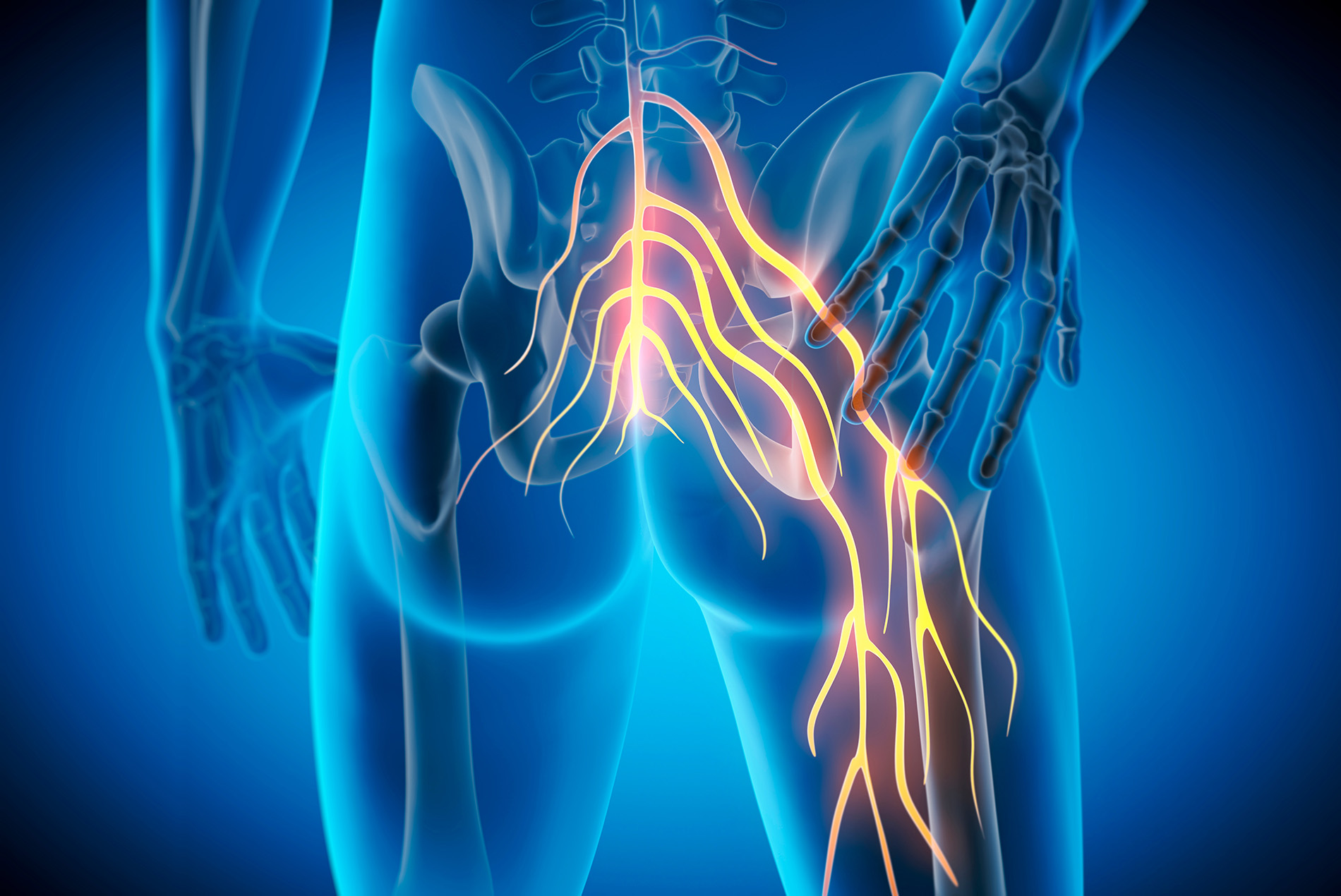
According to neurosurgeon Justin L. Gibson, MD, with Lexington Brain and Spine Institute, sciatica is not actually a diagnosis itself, but a symptom caused by irritation or compression of the sciatic nerve.
“There are several causes of sciatic nerve pain, which can be caused by nerve compression in the spine or along the course of the nerve as it exits the pelvis to the leg,” Dr. Gibson says. “As neurosurgeons, we typically see patients with sciatic pain caused by compression in the back, which is referred to as lumbar radiculopathy, but we evaluate for all causes of this type of radiating leg pain.”
When to Seek Medical Care
Many people experience temporary back or leg pain that improves with rest or over-the-counter medications. But persistent symptoms should not be ignored.
“If pain persists for over 48 hours and does not improve with over-the-counter medications such as Tylenol or anti-inflammatories, it warrants further evaluation,” cautions Dr. Gibson.
Primary care physicians can often begin treatment with medications and physical therapy. However, some symptoms require more urgent attention.
If pain becomes severe enough to prevent walking, or if weakness or numbness develops in the legs, an urgent care visit may be appropriate. Certain symptoms are considered medical emergencies, including numbness in the groin area, loss of bladder or bowel control, or inability to urinate or have a bowel movement. These symptoms can signal significant nerve compression and should be evaluated in an emergency department immediately.
Most Cases Improve Without Surgery
The good news is that most patients with sciatica recover without needing surgery.
Initial treatment often includes physical therapy, stretching, anti-inflammatory medications and muscle relaxants. Walking and light activity are usually encouraged, while prolonged bed rest is generally discouraged because movement can help reduce stiffness and improve recovery.
If symptoms continue despite conservative care, additional imaging such as an MRI may help identify the exact source of nerve compression. In some cases, targeted spinal injections performed by pain management specialists can help reduce inflammation and relieve pain.
When Surgery May Be the Right Option
Surgery is typically considered only after conservative treatment fails or when patients develop neurologic symptoms such as weakness or persistent numbness.
The type of surgery depends on the cause and severity of the nerve compression. Some patients may benefit from minimally invasive procedures that remove portions of a herniated disc or bone pressing on a nerve. Others with spinal instability or more advanced conditions may require fusion procedures using screws and rods to stabilize the spine.
“The most important thing in spine surgery is choosing the right surgery for the right patient,” notes Dr. Gibson. “Surgery is an option when there is advanced neuroimaging, which shows findings that correlate to your symptoms.”
Recovery and Long-Term Outlook
Recovery time varies depending on the procedure performed. Patients who undergo minimally invasive surgery often experience rapid relief of leg pain and relatively quick recoveries. More extensive fusion procedures generally involve a longer healing process and more postoperative discomfort initially.
Many patients are surprised to learn that surgery is actually needed infrequently.
“An overwhelming majority of the patients we see never end up needing surgery,” says Dr. Gibson. “For those who do, when you do the right surgery for the right patient, people get better and their lives are greatly improved.”
For anyone struggling with persistent lower back or radiating leg pain, early evaluation can help identify the cause and create a treatment plan tailored to the individual patient — whether that involves physical therapy, pain management or surgery.

Justin L. Gibson, MD, Lexington Brain and Spine Institute








Leave a comment