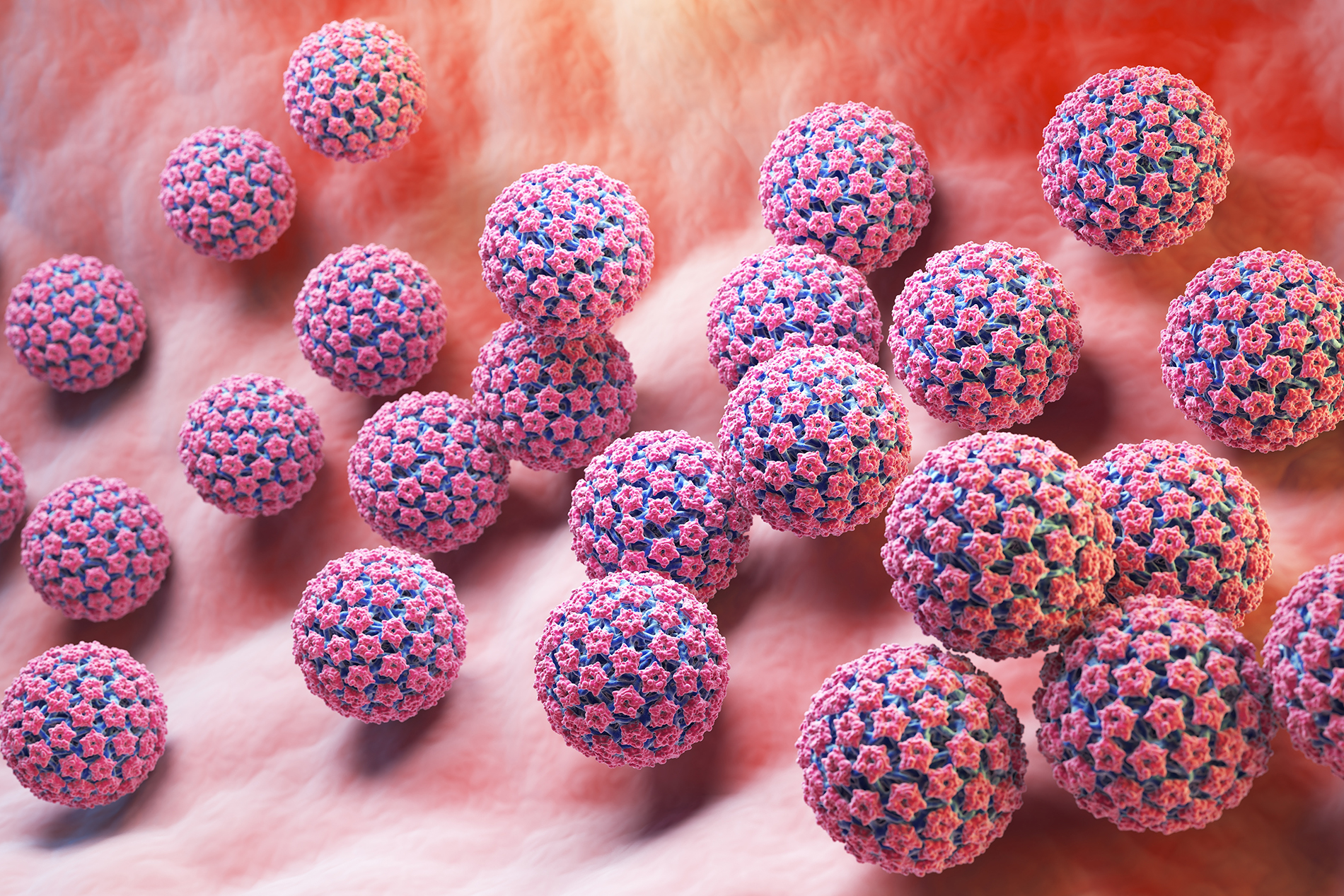
Head and neck cancers are associated with significant sun exposure and tobacco and alcohol use, but more cancers are being diagnosed are caused by the human papillomavirus.
Having a colonoscopy at age 50 was long viewed as a rite of passage; the finale to middle age and the start of one's transition into senior status. But that half-century milestone is now a thing of the past.
A cancer diagnosis can bring a flood of emotions—fear, uncertainty, and many questions about what comes next. For women facing gynecologic cancers, having the right support and information can make the path forward feel more manageable.
GLP-1 inhibitors have gained a lot of attention in recent years to help with weight loss. But could these medications also play a role in reducing cancer risk?
For many men, beating prostate cancer is a major victory—yet the journey doesn't always end when treatment does. One of the most common and often unexpected challenges afterward is urinary incontinence.
Prostate cancer treatments — whether surgery, radiation, or thermal ablation — can affect the delicate nerves and blood vessels responsible for erections.
Half of all men diagnosed with testicular cancer are between the ages of 20 and 34, and another 25% are between 35 and 44. The good news: it's very treatable.




.jpg?sfvrsn=8d546d0a_0 "shutterstock_2507941639 (1)")