

A bronzed glow has long been associated with summer, but a growing social media trend known as "tanmaxxing" is taking tanning to an unhealthy extreme. The trend encourages spending extended periods in the sun or using tanning beds to achieve the darkest tan possible — often with little or no sun protection.
While the trend may promise the perfect summer look, health experts warn that the long-term consequences can be serious.
"Tanning isn't a sign of healthy skin," said Scott Grauper, DO, an oncologist with Lexington Health Cancer Center. "A tan is actually your body's response to damage from ultraviolet, or UV, radiation. Every time your skin darkens from sun exposure or a tanning bed, that damage can accumulate and increase your risk of skin cancer."
Why tanning damages your skin
When your skin is exposed to UV radiation, it produces more melanin, the pigment that gives skin its color. While that process creates a tan, it's also evidence that your skin has been injured.
Repeated UV exposure can damage the DNA in skin cells, increasing the chance that mutations will develop over time. Those mutations can eventually lead to skin cancer. UV damage also accelerates premature aging, causing wrinkles, sunspots and loss of skin elasticity.
The more often you intentionally tan, the greater your lifetime exposure to harmful UV rays.
The truth about tanning beds
One of the biggest myths surrounding tanning is that indoor tanning is somehow safer than lying in the sun.
That's simply not true.
"Many people believe tanning beds are a safer alternative to natural sunlight, but the opposite is often true," Dr. Grauper said. "Tanning beds can expose your skin to up to four times more UV radiation than the midday sun, significantly increasing your risk of skin damage."
Research has shown that tanning bed use is associated with a:
- Approximately 30% increased risk of basal cell carcinoma
- About a 70% increased risk of squamous cell carcinoma
- Nearly a 60% increased risk of melanoma, the deadliest form of skin cancer
While basal and squamous cell skin cancers are often highly treatable when detected early, melanoma is much more aggressive and can spread quickly if not diagnosed promptly.
Fortunately, treatment for advanced skin cancers has improved dramatically in recent years.
"Melanoma is the skin cancer we worry about most because it can spread rapidly," Dr. Grauper said. "The good news is that advances such as immunotherapy have transformed treatment for many patients with advanced skin cancer, but prevention and early detection remain our best defenses."
How to lower your risk
Whether you've spent years tanning or enjoy being outdoors, it's never too late to start protecting your skin.
Dr. Grauper recommends:
- Wear a broad-spectrum sunscreen with SPF 50 or higher and reapply it regularly.
- Choose protective clothing, wide-brimmed hats and sunglasses when outdoors.
- Take breaks in the shade, especially during the middle of the day when UV rays are strongest.
- Avoid tanning beds entirely.
- Perform regular skin self-exams and ask a family member or friend to check areas you can't easily see, such as your back.
People who work outdoors or have significant lifetime sun exposure should be especially diligent about sun protection.
Know the warning signs
Early detection can make a significant difference in treating skin cancer.
Watch for:
- A new mole or growth.
- A mole that is uneven or asymmetrical.
- Changes in color, especially if a mole becomes darker or develops multiple colors.
- A mole that is raised, itchy or bleeding.
- Any spot that changes in size, shape or appearance.
If you notice any of these warning signs, schedule an appointment with your primary care provider or a dermatologist as soon as possible.
A healthier approach to summer
You don't have to sacrifice enjoying the outdoors to protect your skin. Taking simple precautions today can help reduce your risk of skin cancer and keep your skin healthier for years to come.
Instead of chasing the darkest tan, make skin protection part of your daily routine. Your future self will thank you.
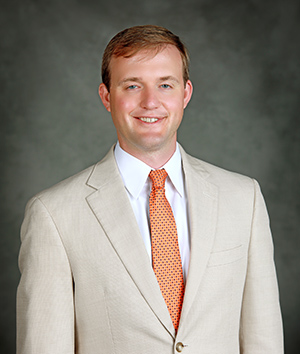
Scott Graupner, DO, Lexington Health Cancer Center









Leave a comment